Why Quasars Are Disappearing Over Time: Astonishing Scientific Truth Revealed
Why Quasars Are Disappearing Over Time
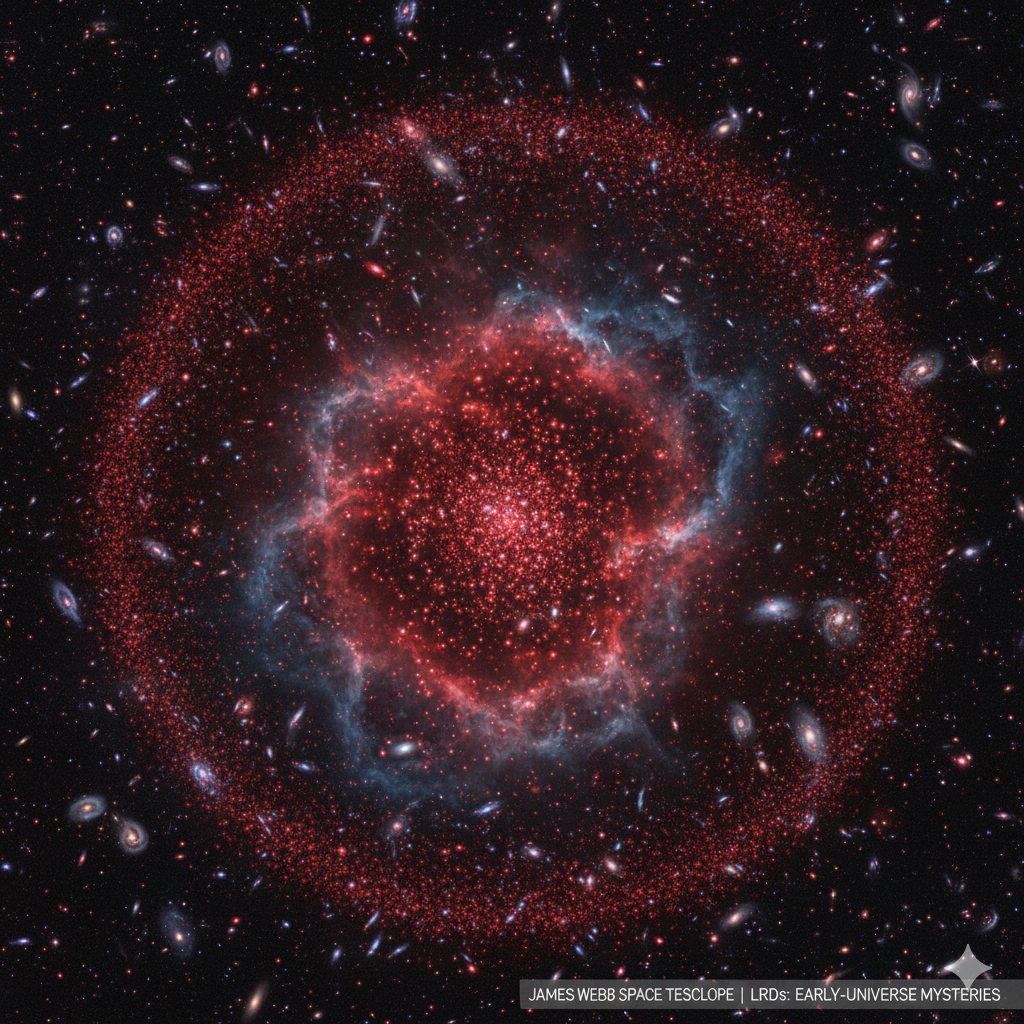
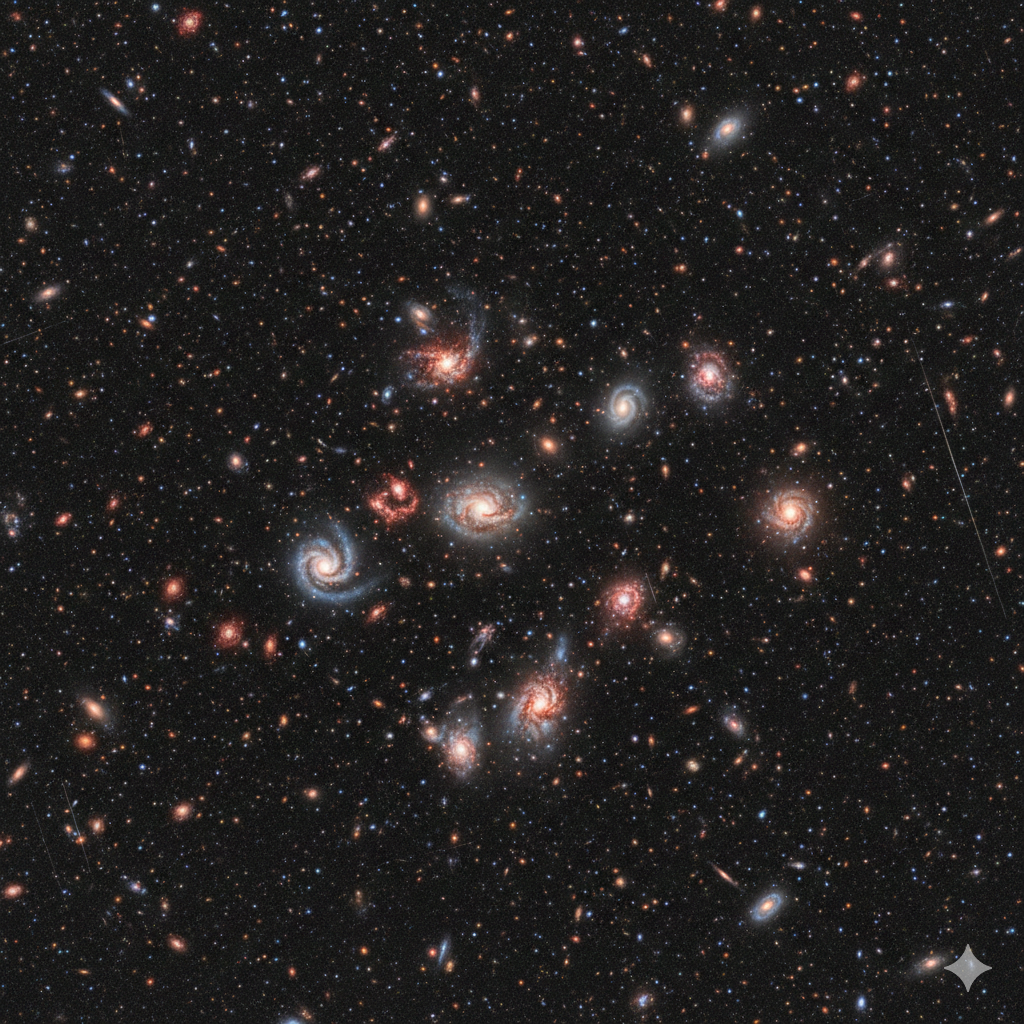
Why quasars are disappearing over time is an incredible discovery that has changed how scientists view the evolution of the universe. Quasars were once unimaginably bright cosmic structures powered by supermassive black holes. They existed mostly when the universe was young, energetic, and full of cold gas. Astronomers now believe that these violent and luminous phases are fading from existence because their fuel sources are nearly exhausted. Galaxies no longer contain enough raw material to feed their central black holes. Over billions of years, the universe gradually transformed from a turbulent environment into a calmer, structured one. The disappearance of quasars symbolizes this transition. Understanding this change helps scientists connect distant cosmic history with what we see today. Ultimately, the fading of quasars reveals that we live in an aging universe experiencing remarkable long-term transformation.
What Is a Quasar?
To understand why quasars are disappearing over time, it is important to understand what a quasar truly is. A quasar forms when a supermassive black hole consumes gas at such extreme speeds that it releases intense radiation. This feeding process creates an accretion disk around the black hole that heats up to millions of degrees. The energy released is so powerful that quasars shine brighter than entire galaxies. When scientists look deep into space, they often see quasars that existed billions of years in the past. In those eras, galaxies collided often, sending enormous amounts of fuel toward black holes. Today, galaxies are more stable, so black holes lack the fuel supply needed to glow as quasars. Therefore, quasars are not gone—they are mostly dormant. This dormancy is the key reason astronomers believe that quasar activity has reached its final major phase.
Why Quasars Are Disappearing Over Time – The Real Cause
Why quasars are disappearing over time is closely related to cosmic fuel availability. Across space, the cold hydrogen that once filled galaxies is now depleted. In the early universe, gas clouds were dense and plentiful, constantly falling into black holes. Over time, however, galaxies used this gas to form stars, clusters, and planetary systems. As this happened, black holes gradually starved. Quasars also produce powerful radiation that pushes away the same gas that feeds them. This means they cause their own decline, which is known as quasar feedback. Another reason for the disappearance involves mergers. Billions of years ago, galaxy collisions forced massive fuel flows into galactic cores, which activated quasars. Now galaxies are farther apart due to cosmic expansion. Without collisions, gas does not flow inward, and black holes remain quiet. As a direct result, bright quasars become rarer every cosmic era.
The Life Cycle of a Quasar
The life cycle of a quasar explains why quasars are disappearing over time. A quasar begins when two galaxies merge, disturbing massive clouds of cold gas. This gas funnels into the central black hole, igniting bright quasar activity. During this stage, the quasar becomes so luminous that it overshadows its host galaxy. This phase can last tens of millions of years, which sounds long but is brief in cosmic terms. Eventually, the quasar consumes too much fuel faster than it can gather more. Over time, the accretion disk cools, shrinks, and dims. The object then transitions into a silent phase. Astronomers believe that most large galaxies today contain dormant quasars. The Milky Way’s own black hole may have been an active quasar millions of years ago. This natural progression shows that quasars are temporary phenomena rather than permanent cosmic structures.
Evidence That Quasars Are Fading Faster Than Previously Thought
Why quasars are disappearing over time is supported by dramatic observations called “changing-look quasars.” These are quasars that fade significantly within a few years, which shocked astronomers because they expected changes over millions of years. Some quasars have been observed dropping to less than 10% of their brightness within human timescales. Modern telescopes show that the gas surrounding them cools rapidly once feeding slows. Infrared studies reveal dimming dust clouds, while radio signals show collapsing accretion environments. Surveys also show that quasars were most abundant roughly 10 billion years ago. Since then, their numbers have fallen drastically. Even more surprising is that some quasars temporarily brighten again before fading permanently. This proves that quasar death is not slow—it can be sudden, unpredictable, and dramatic. These discoveries completely changed scientific understanding of black hole evolution.
What the Disappearance of Quasars Means for the Universe
The fact that quasars are fading tells us something important about our cosmic future. When quasars dominated the universe, galaxies were extremely active, forming new stars rapidly. Their energy shaped galaxies by clearing dust and heating gas. Today, galaxies are calmer and no longer undergo major structural changes. As energy output decreases, the universe enters a stable phase. Black holes are no longer expanding rapidly, and large star-forming clouds are shrinking. Scientists believe this calm period will continue for trillions of years. This suggests that we live in a mature universe that has already gone through its most intense developmental stage. Therefore, the disappearance of quasars is not a loss—it is a sign that cosmic growth has reached stability. Their fading represents the end of cosmic youth and the beginning of cosmic maturity.
Final Reflection
Why quasars are disappearing over time is not just a scientific observation—it is a story about universal evolution. Quasars once painted space with extreme brightness and energy. Their presence shaped galaxies, fueled star formation, and built cosmic structure. Now those brilliant lights are dimming, signaling the end of an era. Yet the universe continues evolving, expanding, cooling, and moving forward at a slower pace. When astronomers observe distant quasars, they are witnessing the past, not the present. The disappearing quasars remind us that even cosmic giants eventually fade. Their silence is proof that the universe ages just like everything else.