Hypothesis: Black Holes Formed Before Stars – A New Perspective on Cosmic Origins
How the Hypothesis Black Holes Formed Before Stars Challenges Traditional Astronomy
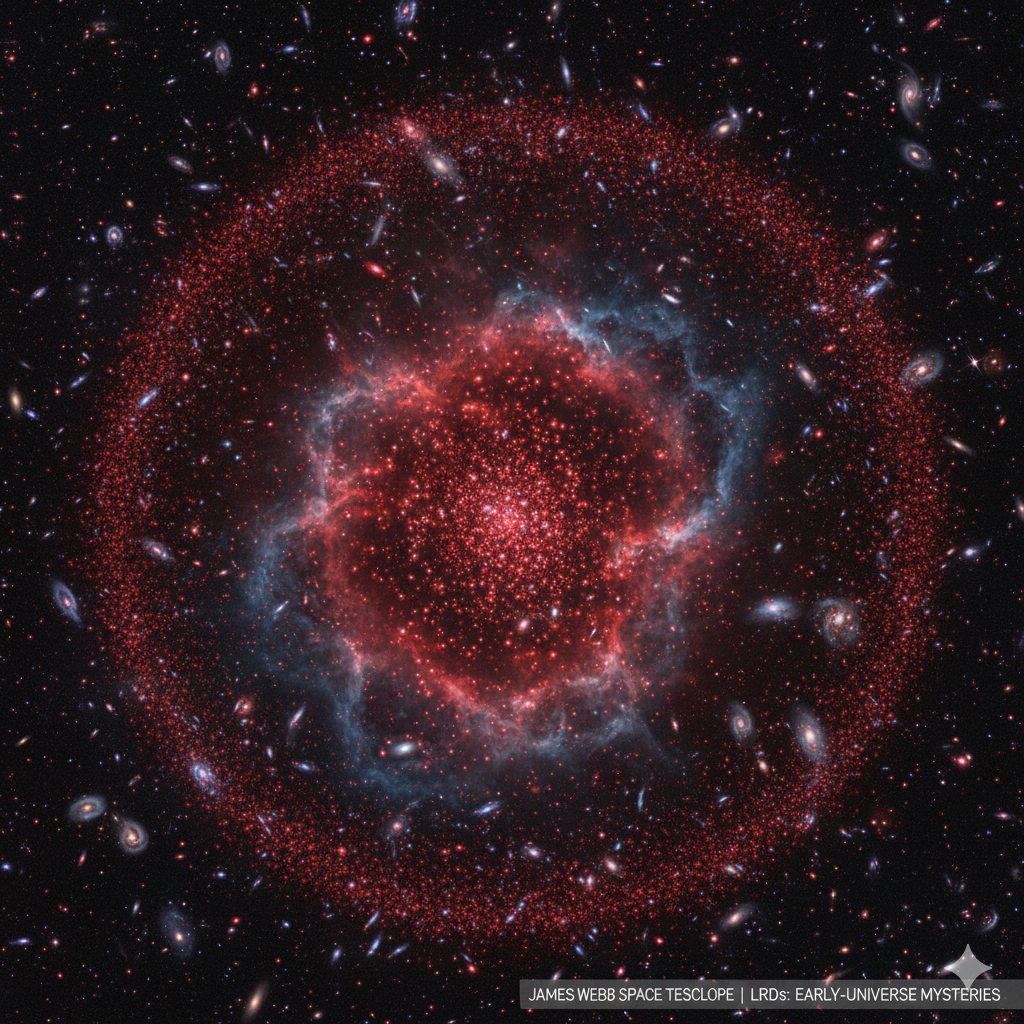
The hypothesis that black holes formed before stars presents a major shift in how scientists view the cosmic timeline. Traditionally, stars were believed to form first from collapsing gas clouds, and only after millions of years—once they exhausted their fuel—did they collapse further to form black holes. However, this hypothesis proposes a scenario where black holes originated almost instantly after the Big Bang. During that extremely early period, pressure fluctuations and density variations were enormous, allowing some regions to collapse directly into primordial black holes without forming stars first. If these objects emerged first, their enormous gravity could have shaped early gas distribution, guiding matter into patterns that later became galaxies and clusters. This would mean that black holes were not consequences of stellar evolution, but active agents in shaping cosmic architecture. Such a reversal in formation sequence places black holes at the foundation of cosmic organization rather than at the end of stellar life cycles.
Evidence Supporting the Hypothesis: Black Holes Formed Before Stars
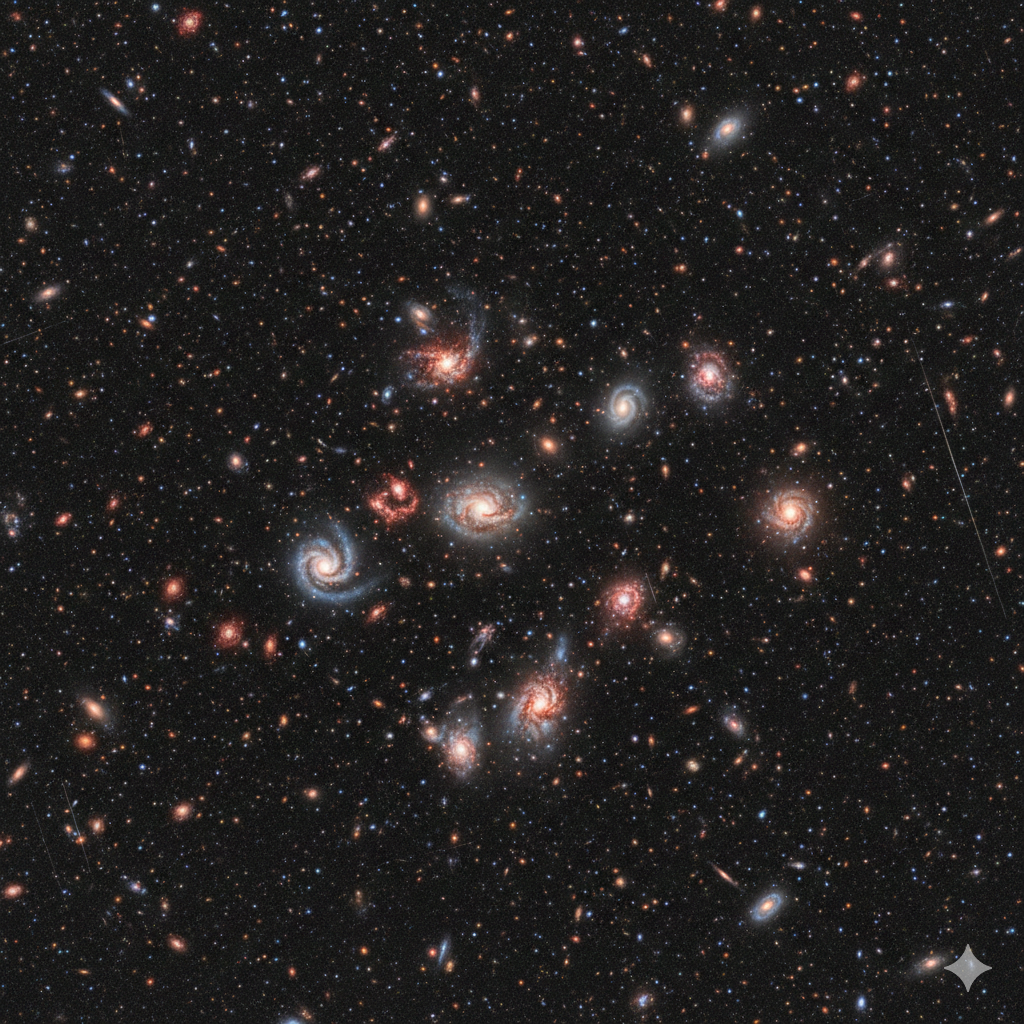
One of the strongest pieces of evidence supporting the idea that black holes formed before stars comes from the discovery of extremely massive black holes at early cosmic epochs. Observations from JWST and deep-field telescope surveys reveal quasars powered by billion-solar-mass black holes existing just a few hundred million years after the Big Bang. For black holes to reach such gigantic masses through standard star-based formation, they would require much longer than the Universe had existed at that time. Additionally, the early clustering of matter seen in galaxy surveys supports the idea that strong gravitational centers existed before stars formed. Primordial black holes could have acted as early gravitational anchors, pulling hydrogen gas around them and accelerating galaxy formation. Their existence may also explain why some early galaxies formed rapidly and compactly. Although indirect, these clues build a compelling case that such objects were not stellar remnants, but initial building blocks of structure.
Challenges With Models Suggesting Black Holes Formed Before Stars
Despite growing support, there are major challenges to theories claiming black holes formed before stars. Many cosmological models struggle to fit this into existing observations without conflicting with known measurements, especially those involving cosmic microwave background patterns. If primordial black holes existed in large numbers, they would influence radiation patterns, yet current CMB data does not show strong deviations. Another difficulty involves dark matter modeling. Some scientists propose that primordial black holes could represent a significant portion of dark matter, but measured galactic rotation and gravitational lensing do not fully support that idea. There is also the simulation challenge: theoretical models show that early black holes might disrupt nearby gas clouds rather than encouraging early star formation. Their radiation output and gravitational pull could heat surrounding gas, slowing star formation rather than accelerating it. All these issues make it complicated to confirm that black holes were truly dominant before stars existed.
Why the Hypothesis Black Holes Formed Before Stars Matters for Cosmology
The hypothesis that black holes formed before stars is reshaping our understanding of the early universe. Traditionally, cosmologists believed that stars formed first, followed by galaxies, with black holes appearing later as remnants of massive stars. However, if black holes existed before stars, this timeline would be flipped, suggesting that some cosmic structures were seeded much earlier than previously thought. One of the most compelling reasons this hypothesis matters is its ability to explain the existence of supermassive black holes in the early universe. Observations have revealed black holes just a few hundred million years after the Big Bang, far earlier than traditional models predict. If black holes formed first, they could have acted as gravitational anchors, pulling in surrounding matter and accelerating the growth of galaxies. The presence of early black holes also has profound implications for galaxy formation. These black holes could have influenced the dynamics of gas clouds, either heating or compressing them, which may explain why some galaxies formed quickly and grew more massive than expected. In this way, black holes may have played a key role in shaping the structure of the cosmos.
Furthermore, this hypothesis offers unique insights into the physics of the early universe. The formation of primordial black holes can provide clues about cosmic inflation, density fluctuations, and even the nature of dark matter. Studying these early black holes allows scientists to test the limits of general relativity and explore quantum gravity effects under extreme conditions, opening a new window into the universe’s first moments.