Baby Stars Forming in Dark Molecular Clouds: Unveiling Stellar Birthplaces
The Birthplace of Stars: What Are Dark Molecular Clouds?
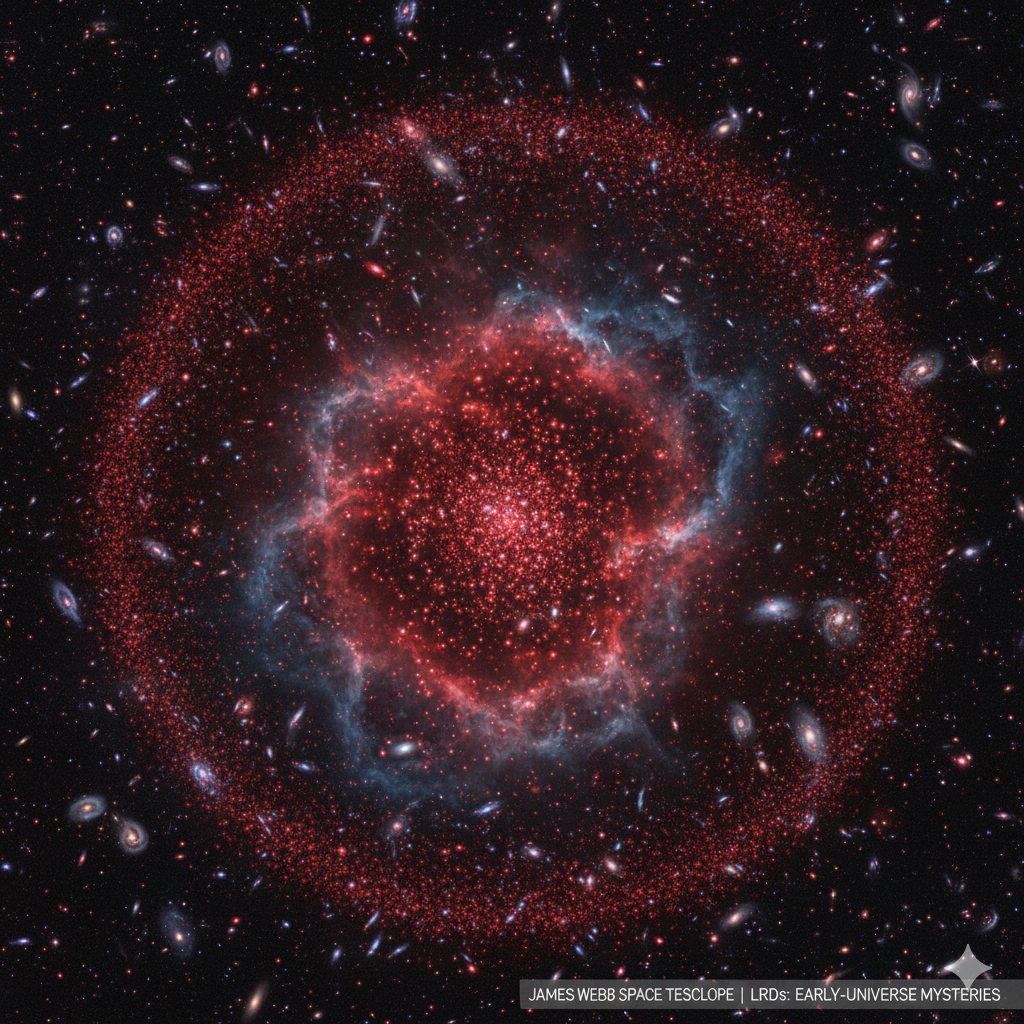
“Baby stars forming in dark molecular clouds” points to some of the most mysterious regions in space—massive clouds made of cold gas and interstellar dust. These clouds are so dense that they block visible light, making them appear as dark patches against bright star fields. Yet, within these hidden pockets, gravity begins gathering material into tight clusters, setting the stage for star formation. Dark molecular clouds are often detected only through infrared and radio wavelengths, revealing an active environment where the earliest stages of baby stars are taking shape.
How Baby Stars Form Inside These Invisible Nurseries
Baby stars forming in dark molecular clouds begin as dense clumps called prestellar cores. As gravity pulls material inward, the core compresses and heats up, forming a glowing protostar. Although the protostar is still hidden behind thick dust, it emits energy detectable in infrared light. Over time, a swirling disk of material forms around it, giving rise to future planets, asteroids, and comets. Understanding this early phase helps scientists trace how solar systems evolve—from the collapse of molecular clouds to fully developed planetary systems like ours.
Why Dark Molecular Clouds Are Perfect Stellar Nurseries
The reason we often find baby stars forming in dark molecular clouds is due to their highly shielded environment. These clouds block harmful ultraviolet radiation that could disrupt early star formation. The extreme cold—often only a few degrees above absolute zero—helps gas stay dense, allowing gravity to overpower expansion forces. Famous stellar nurseries like the Orion Nebula and Barnard 68 demonstrate how hundreds of stars can emerge simultaneously from a single cloud, proving that star formation is often a collective process, not an isolated event.
What These Baby Stars Reveal About Our Own Solar System
Studying baby stars forming in dark molecular clouds allows scientists to look backward in time and better understand the steps that led to the birth of our Sun. The dusty disks surrounding young stars often show rings, gaps, and clumps—features similar to early models of our own protoplanetary disk. These clues suggest that planets begin forming far earlier than once believed. As astronomers continue observing these cold clouds with advanced infrared telescopes, they uncover new evidence showing how stars and planetary systems evolve, offering insight into how life-supporting environments like Earth might emerge.